When you deal with an older structure, you'll require to pick between recovering its historic character or remodeling it for modern life, which selection forms whatever from materials to authorizations, expenses, and neighborhood worth. Restoration asks you to architecture firm near me protect credibility and craftsmanship; improvement asks you to adapt for comfort and code. Both have compromises-- and understanding which matters most will change how you proceed next.Defining Restoration and Restoration: Core Principles Although both take care of old structures, restoration and remodelling go after different objectives:
reconstruction returns a building to a particular moment in its past, maintaining original products and historical accuracy, while improvement updates a room for present usage, convenience, or code compliance.You'll evaluate reconstruction by fidelity: matching initial architecture, fixing a facade, and utilizing methods guided by forensic investigation to uncover original surfaces. Remodelling, by comparison, focuses on function and innovation-- rewiring, reconfiguring rooms, or including systems while acknowledging historic context.Organizations like the New york city Landmarks Conservancy impact requirements, and local landmarks or a solitary landmark on Broad
Road can drive choices.You'll weigh material authenticity against contemporary demands to make a decision which path matches the structure's story.When to Select Reconstruction Over Remodelling You ought to select reconstruction when a residential property's historical significance, initial textile, or lawful defenses make preserving a genuine
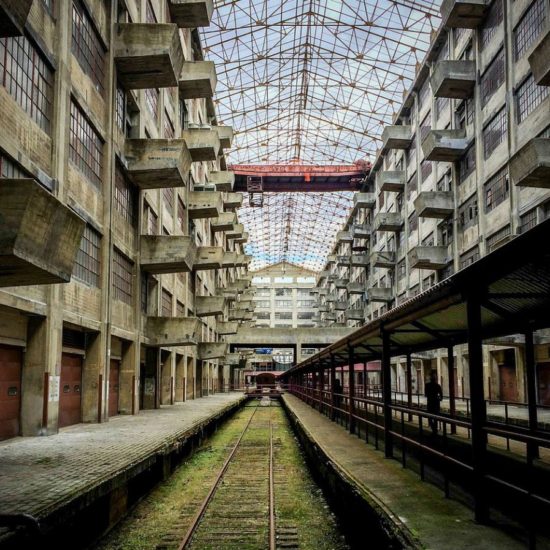
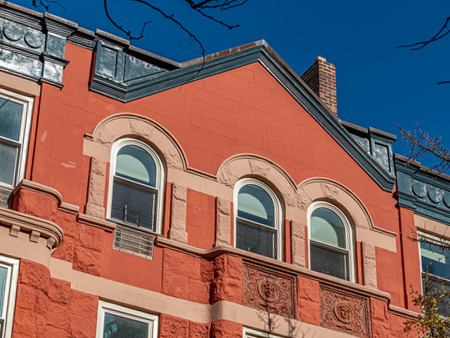
minute in its past the priority.Choose reconstruction if character-defining attributes-- façades, home windows, moldings, or format-- are undamaged and convey social, building, or area worth you want to maintain.Opt for restoration when you need docudrama precision for museum-quality analysis, heritage tourism, or educational uses.Pick reconstruction if relatively easy to fix treatments, typical products, and period-accurate methods matter greater than contemporary performance or open-plan living.Restoration fits when adjustments would eliminate rarity or reduce historical integrity.If your goal is to recognize and connect a building's initial story instead of update it for contemporary convenience, reconstruction is the appropriate path.Regulatory, Permit, and Funding Effects Having actually determined whether preservation of initial fabric outweighs contemporary upgrades, you'll encounter a really various regulative and funding landscape for restoration than for common renovation.Restoration usually calls for authorizations from local historic commissions, adherence to conservation requirements, and more detailed license reviews; renovations usually follow standard building regulations with faster sign-offs. You'll require documentation-- historic reports, problem evaluations, and defined scopes-- to obtain restoration permits.Funding options differ also: reconstruction can get approved for tax obligation debts, gives, and low-interest fundings aimed at historical residential or commercial properties, while renovation funding is usually restricted to traditional loans and property owner financing.Budgeting have to represent longer timelines, conformity prices, and matching give requirements.Engage preservation experts early to browse approvals and make the most of offered incentives.Materials, Methods, and Workmanship Differences When you're contrasting repair and renovation, the products and approaches inform the clearest story: remediation focuses on fixing and matching initial material-- restored lumber, lime-based mortars, hand-blown glass, and period-accurate fasteners-- while renovation usually chooses modern replacements that speed work and lower cost.You'll see remediation makes use of standard methods: hand tooling, joinery, and breathable coatings that respect historical settings up, so moisture and movement act as intended.Craftspeople in remediation diagnose decay, conserve as much initial product as feasible, and duplicate absent aspects using historically accurate methods.Renovation trades some credibility for performance: power devices, crafted timber, artificial sealers, and off-the-shelf trim that simplify installation.Your selection affects long life, look, and how treatments interact with the original building.Impact on Property Value, Community, and Cultural Heritage Although restoration commonly demands more money and time upfront, it can improve long-lasting home worth by preserving personality, credibility, and workmanship that customers and areas prize.When you bring back, you maintain original attributes that draw in particular niche buyers and commonly get approved for tax obligation debts or gives, enhancing resale charm. Restoration may offer prompt bankability through contemporary facilities, yet it can weaken historic value and miss out on preservation incentives.Beyond dollars, your selections shape area identification: thoughtful reconstruction enhances regional heritage, tourist, and area pride, while insensitive remodelling dangers 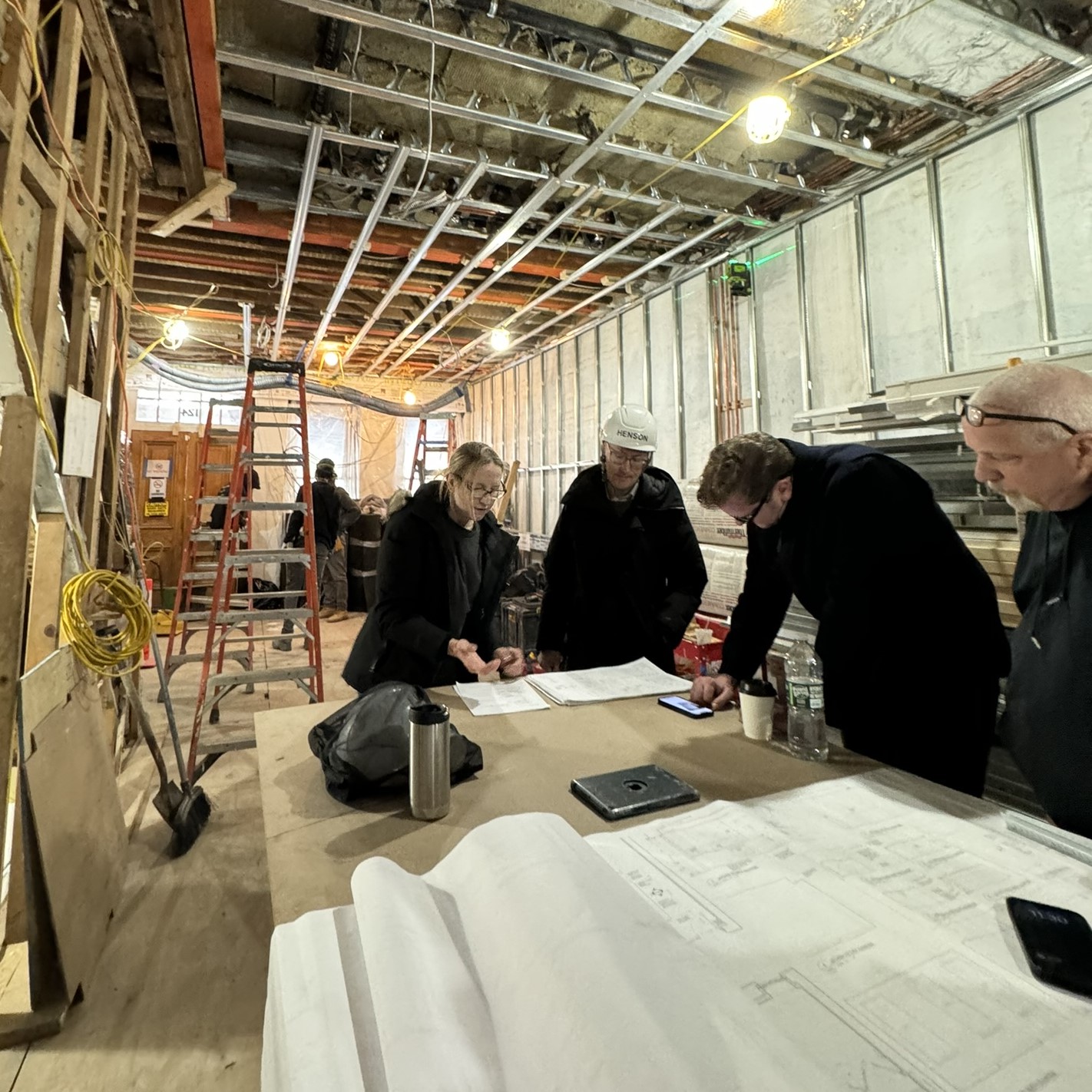 removing tales and aesthetic continuity.Weigh economic returns, available rewards, and social impact-- choosing reconstruction canshield social heritage and deliver steady value over time.Conclusion When choosing
in between remediation and improvement, you ought to consider authenticity versus practicality: pick reconstruction when protecting character-defining functions, historic worth, and qualification for grants or tax credits issues; pick restoration when you require modern-day comfort, accessibility, or code conformity. You'll face different licenses, paperwork, materials, and competent professions in either case. Choose that value the building's tale and neighborhood context so you safeguard long-lasting cultural and economic worth rather than removing it for short-term benefit.
Name: Henson Architecture
Address: 27 W 20th St #1201, New York, NY 10011
Phone: (212) 995-2464
Website: https://www.hensonarchitect.com/